The use of corticosteroids, often called cortisone, continues to raise questions among many patients.
Injections can provide relief from pain and inflammation. However, this benefit is often temporary and should be considered in conjunction with the underlying cause of the problem, potential side effects, and other treatment options.
The pros of cortisone
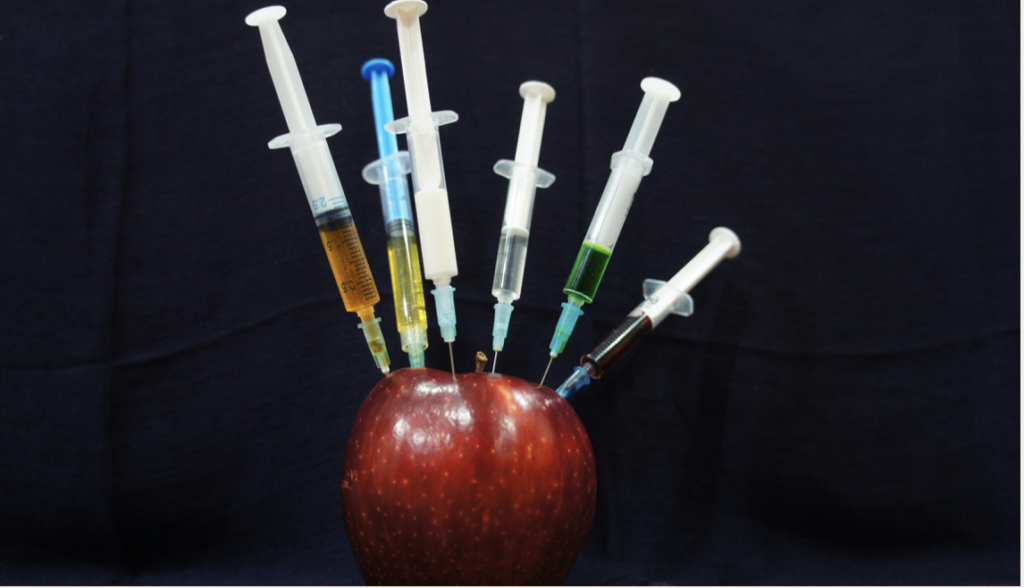
Cortisone injections have a potent anti-inflammatory effect. Therefore, they can help to quickly reduce pain, swelling, and limited movement.
They are used in situations such as bursitis, osteoarthritis, joint inflammation, and some alterations of the surrounding tissues. In certain cases, pain reduction can facilitate movement, rest, and the start of a rehabilitation program.
The duration of the effect varies considerably. Some people experience relief for a few weeks or months, while others obtain little benefit. The most recent recommendations consider these injections a valid option for some musculoskeletal problems, provided they are used judiciously and on an individual basis. 1
And the downside?
E soa tudo bem, certo? Mas a inflamação ou dor são a origem do problema? Infelizmente, a resposta é não.

Cortisone reduces inflammation and pain, but it doesn't always resolve the underlying reason why the symptoms started.
For example, shoulder pain can be accompanied by persistent changes in mobility, tendon overload, loss of strength, cervical tension, or poorly coordinated scapular movement.
Therefore, when the pain subsides, it's important not to interpret this relief as a sign that the structure has fully recovered. Resuming strenuous activities or exertion too soon can worsen the symptoms again.
Infiltration should therefore be integrated into a broader plan, which may include physiotherapy, therapeutic exercises, load adjustments, and other approaches to pain management. We'll discuss this matter further.
Possible side effects
Cortisone injections are generally well tolerated when used appropriately. However, they are not without risks. When pain is at its peak, making the right decision can be difficult.
Known side effects may include:
- temporary worsening of pain after injection
- changes in skin color or thickness at the site
- blood glucose may temporarily increase
- local infection, although less frequent
- tendon weakening or, rarely, rupture
- possible negative effects on cartilage, especially with repeated applications or higher doses
Os riscos dependem da zona tratada, do medicamento utilizado, da dose, da frequência das infiltrações e do estado de saúde da pessoa. As infiltrações repetidas exigem, por isso, uma avaliação particularmente cuidadosa. No nosso entendimento, é de evitar, a menos que já tenha esgotado as opções com menores riscos.
Alternatives to cortisone
Infiltration is not the only option to treat musculoskeletal pain.
Depending on the cause, you may consider:
- Physiotherapy
- Exercise
- Adjusting your daily routine
- Acupuncture (our most popular treatment)
- Tui Na Therapeutic Massage
- Cold or heat application
- If prescribed, medication
Infiltration is not the only option to treat musculoskeletal pain.
Acupuncture before or after cortisone shot
A Acupuncture não deve ser apresentada como substituta de uma infiltração clinicamente indicada. No entanto, pode ser integrada como uma abordagem complementar no controlo da dor musculoesquelética.
It also doesn't have to be seen only as a last resort, when all other treatments have failed.
In many cases, it can be used sooner to help reduce pain, relieve muscle tension, and facilitate movement. Furthermore, it can complement physical therapy and therapeutic exercise, allowing the person to participate in recovery with greater comfort.
At Clínica Sintra Saúde, we receive daily patients suffering from shoulder or, knee painspinal or tendon/ligament injuries. Some of them have taken the path of the cortisone treatment. Others are navigating through the array of choices before trying anything more invasive.
To better understand our method, we advice checking our page dedicated to Acupuncture. A evidência recente sobre Acupuncture na dor musculoesquelética mostra resultados favoráveis. Embora a resposta dependa sempre do caso que temos em mãos, sentimos diariamente que a acupuntura tem uma palavra muito importante a dizer.
Your next step: determine the cause of pain
When pain is persistent, the focus should be on understanding why does it persist.
An injection can be useful for controlling an inflammatory or painful phase. However, it may also be necessary to regain mobility, strength, and confidence in movement. But we may not need that much.
At Clínica Sintra Saúde we offer complementary approaches to pain control and recovery support, including:
- Acupuncture
- Physiotherapy
- Tui Na Massage
- Cupping
- Exercise
If you are considering an injection or if the pain has returned after the procedure, you may count on our know how. Acupuncture could make sense as part of your recovery plan.
Book your visit or reach out for any enquiries by phoning us on +351 21 921 00 23.
Other related articles:
Referências bibliográficas
- Benzon HT, Elmofty D, Shankar H, et al
Use of corticosteroids for adult chronic pain interventions: sympathetic and peripheral nerve blocks, trigger point injections – guidelines from the American Society of Regional Anesthesia and Pain Medicine, the American Academy of Pain Medicine, the American Society of Interventional Pain Physicians, and the International Pain and Spine Intervention Society
Regional Anesthesia & Pain Medicine 2026;51:642-659. https://rapm.bmj.com/content/51/6/642 ↩︎